
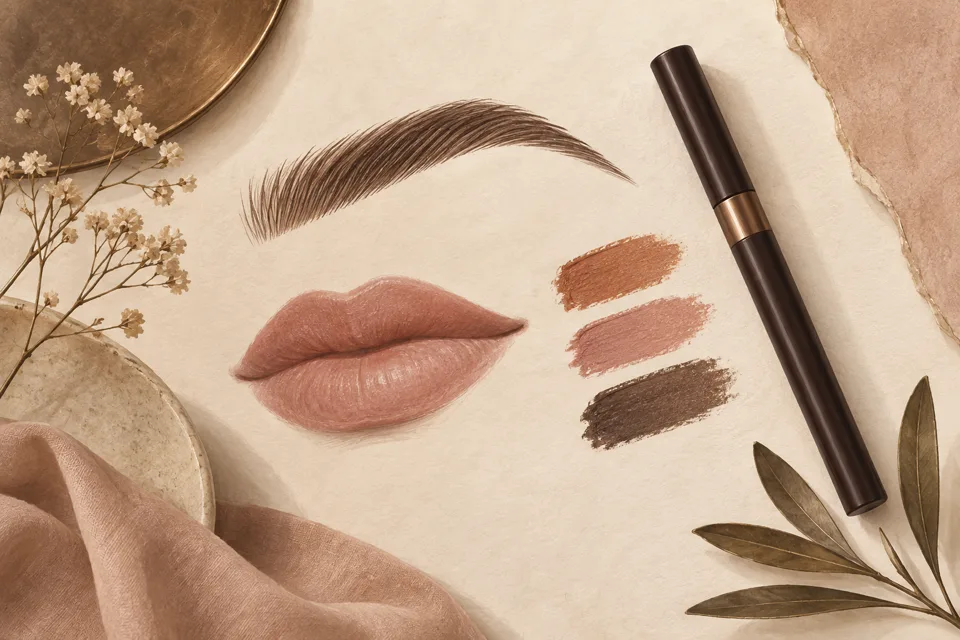
Nano brows use hair-stroke detail. Powder brows use shading. Ombré is a gradient within that shading. Combination brows bring strokes and shading together. Compare the pictures first, then look at the marks, spacing and finish that create each design.
See nano, powder, ombré and combination brows
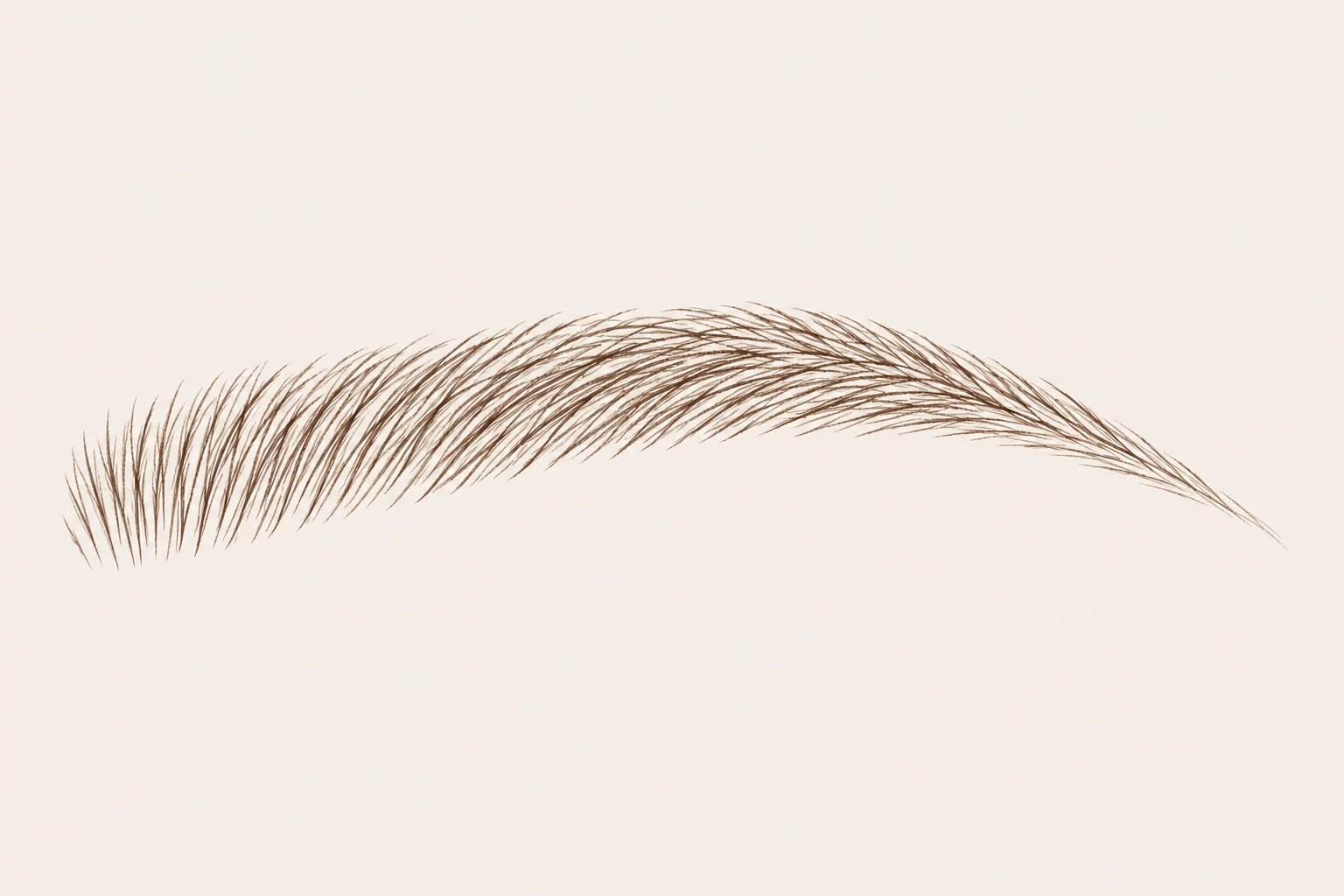
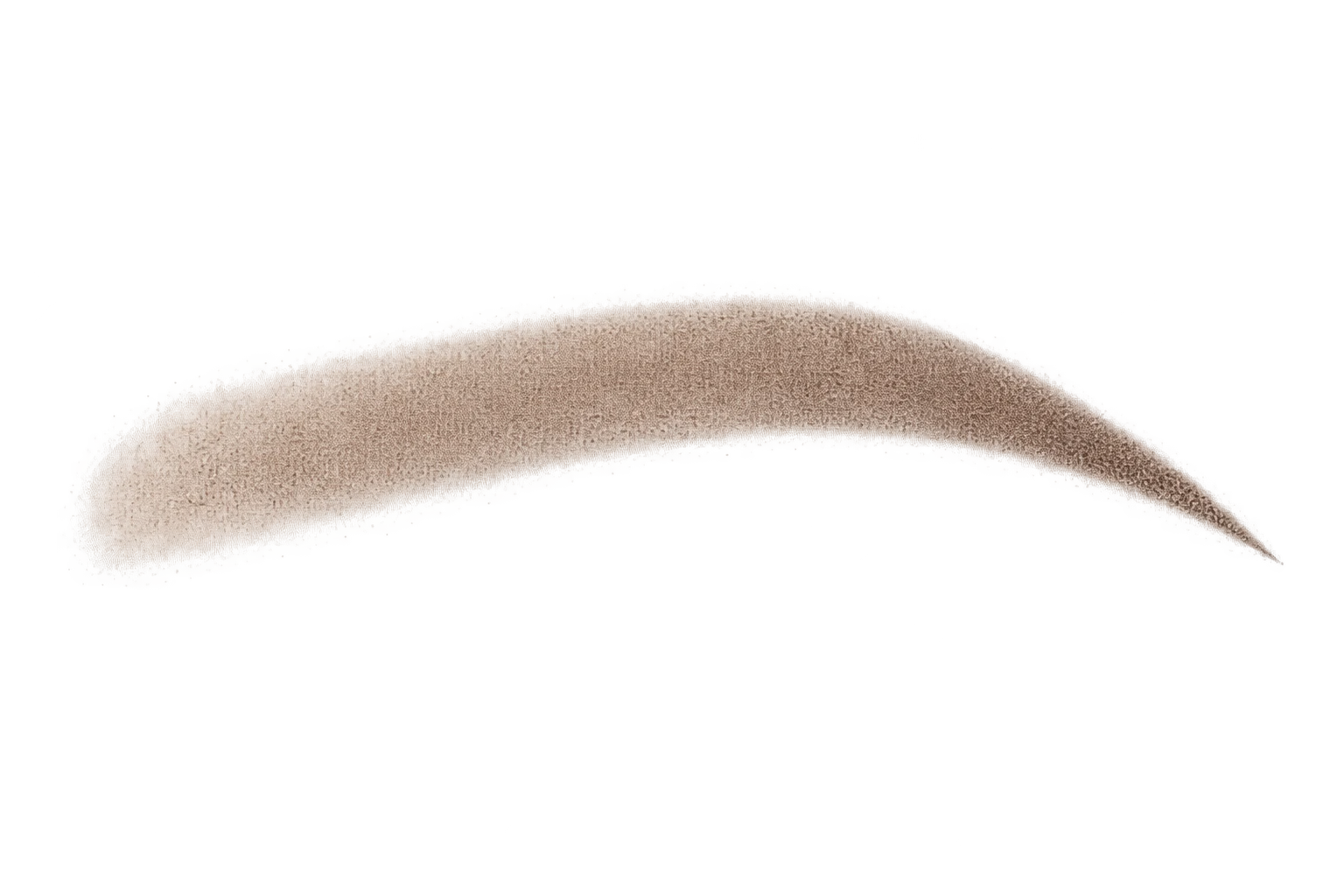
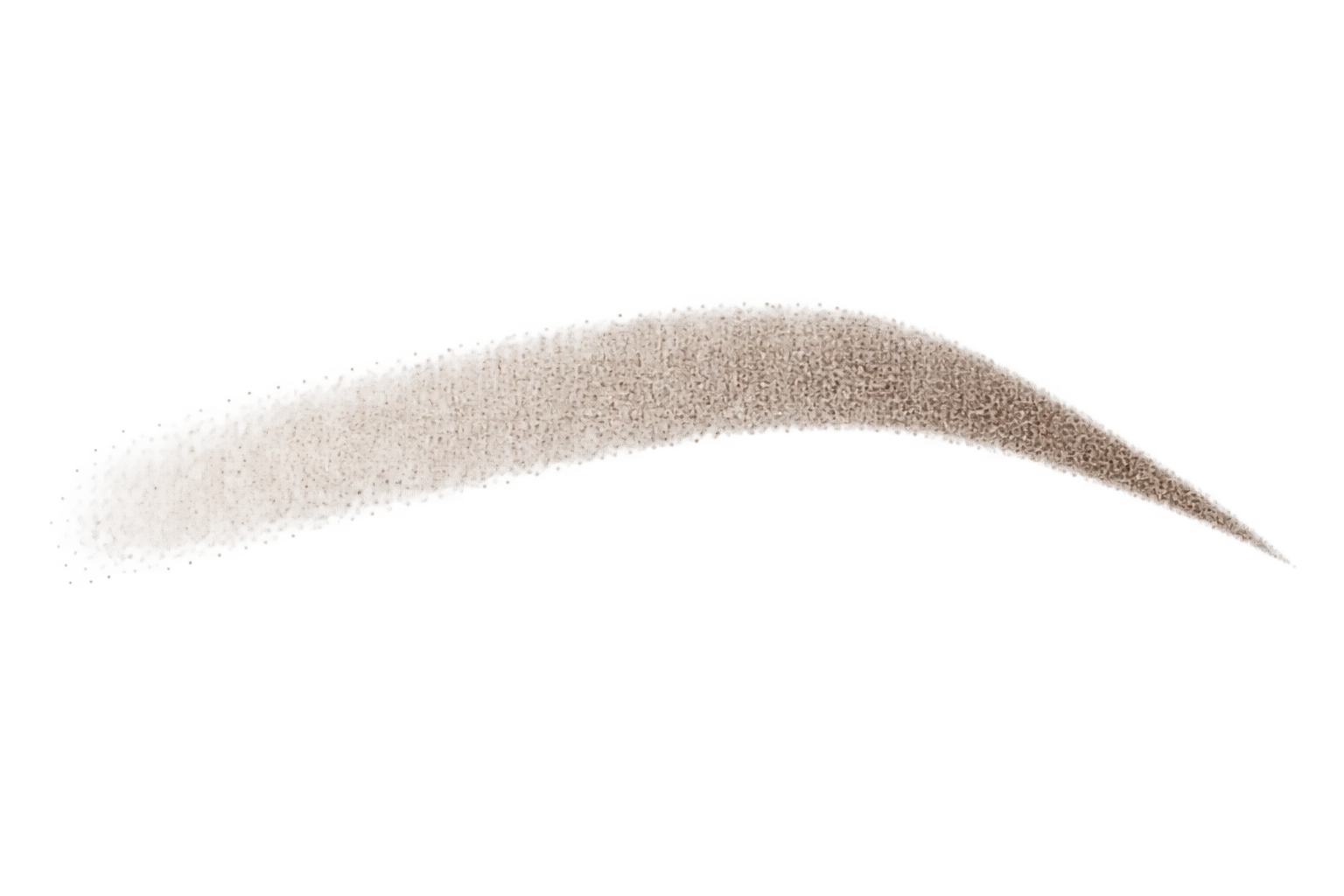
AI-generated educational illustrations of pigment patterns. They show design differences, not Skinari client photographs or predicted healed results. Natural brow hairs are omitted so the marks are easier to compare.
 Open larger image ↗
Nano brows
Fine lines with open space between them create a hair-stroke effect. Follow the change in direction from the front through the arch and tail.
 Open larger image ↗
Powder brows
Small pigment marks build a powder-like background across the brow. The key feature is shading rather than a design made only from individual hair lines.
 Open larger image ↗
Ombré brows
The shading starts airier at the front and becomes more defined toward the arch and tail. Ombré describes this gradient within a powder-shaded design.
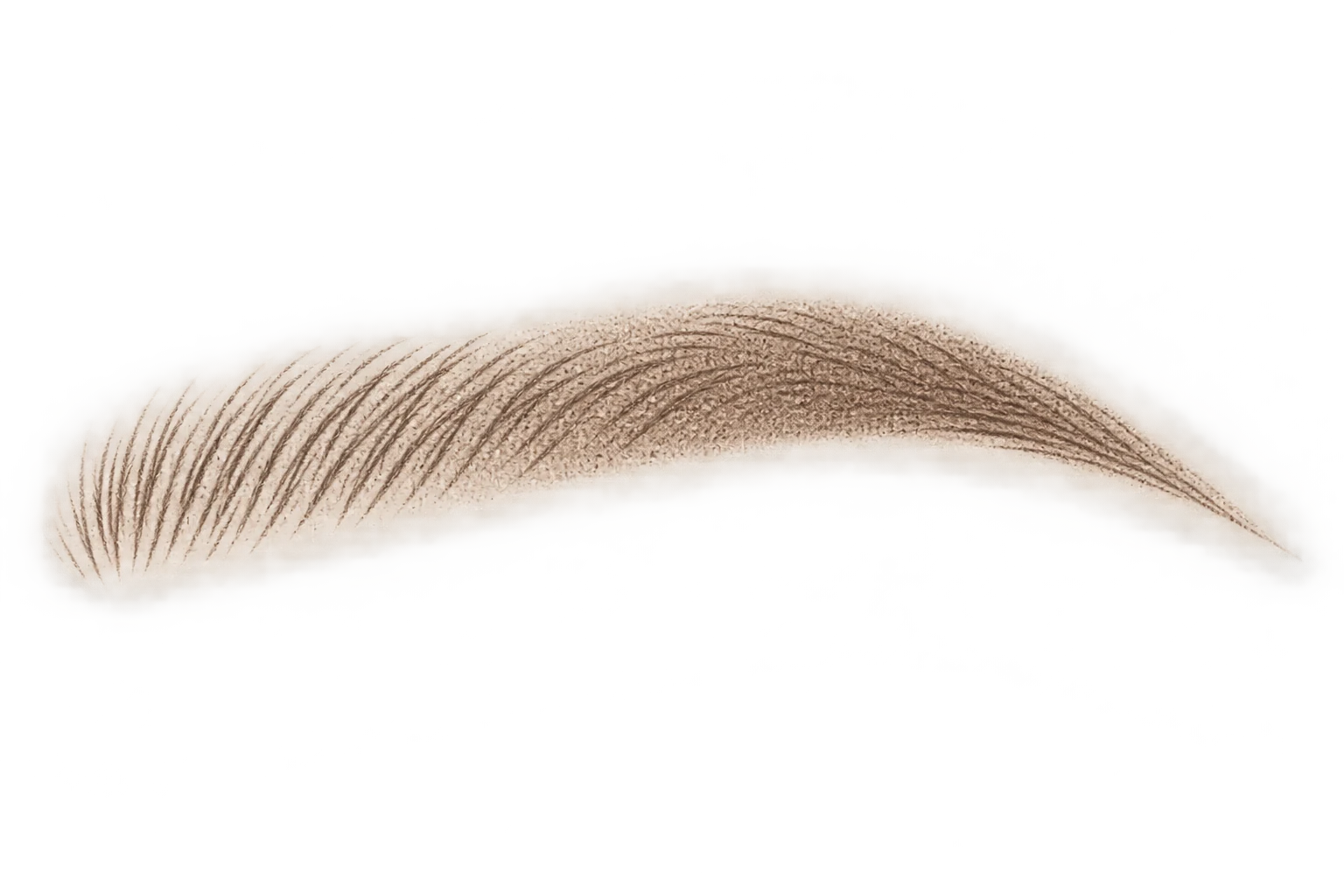 Open larger image ↗
Combination brows
Hair-stroke detail and a shaded background work together. This example keeps visible strokes at the front and adds definition through the body and tail.
How to read the pictures: the inner front is on the left; the arch and tapered tail are toward the right. Shapes, colours, density and stroke placement are customized in a real appointment. Open any picture to inspect the texture.
What changes: lines, pixels and density
Hair-stroke lines
Separate marks suggest individual hairs. Look for their direction and the space around them.
Shading pixels
Small marks build a background of colour. From a normal viewing distance, they read as a soft fill.
Gradient density
A lighter area blends into a denser area. This change in shading is the ombré effect.
Nano: the direction of each stroke matters
At Skinari, nano strokes are created with a PMU machine. This machine hair-stroke method is also described in the National Institute of Beauty’s nano-brow overview. A pattern can use upright, angled or curved marks to follow the person’s existing hair flow. The illustration uses an open, fanned front and strokes that angle toward the tail; it is one example, not a template for every brow.
Defined strokes have a more distinct line appearance. Pixelated strokes have a softer, broken-up texture, but still form hair-like marks. Both differ from filling an entire brow with shading. These terms describe the appearance of the marks; they do not promise a particular healed outcome. See Tina Davies’ explanation of nano strokes and patterns.
Powder vs ombré: technique and finish overlap
Powder describes a shaded effect. Ombré describes where that shading is lighter and where it is more defined. A powder brow can also have an ombré gradient, and studios sometimes use the names together. The two illustrations separate a more balanced fill from a more obvious gradient to make that distinction visible.
A powder design does not have to be a dark, solid block. An ombré design does not require different pigment colours at the front and tail: density can create the transition. Tell your artist how soft you want the front, upper edge and tail to look. K.B Pro’s training overview describes softer variants of ombré/powder designs as well as more defined finishes.
Combination: decide where you want each effect
A combination design includes both hair-stroke detail and shading. Ask where strokes will remain visible, where shading will be added and how dense the tail will be. The illustrated front-to-tail arrangement is one possible design; it is not a rule that every combination brow must follow.
Skinari’s Combination Brows service uses machine-created nano strokes plus shading. Your consultation determines their placement and the amount of shading. Other providers may use “combination” for a different mix of methods, so compare the technique as well as the service name.
Choose by the finish you want to discuss
| Your preference | Explore | Ask your artist |
|---|---|---|
| I like to draw individual hairs with a fine pencil. | Nano strokes | Where would strokes fit around my existing hair? |
| I like a softly filled-in brow. | Powder | How light or defined can the shading be? |
| I want a soft front with a more defined tail. | Ombré powder | Where will the gradient start and how strong will it be? |
| I want hair detail and a filled background. | Combination | Which areas get strokes and which get shading? |
Shape is a separate choice from technique. Bring examples of the thickness, arch, length and colour you like. The same general finish can be planned in different shapes. Ask to review the proposed outline and discuss how the design works with your own brows.
A preference is a starting point for consultation, not a suitability assessment. Tell the artist about your skin, previous brow work and the look you want after healing. Avoid choosing solely from a “best for oily skin” or “best for mature skin” label without an individual assessment.
Nano brows vs microblading: similar goal, different tool
Both can create a hair-stroke appearance. Nano commonly refers to a handheld PMU machine; traditional microblading uses a manual tool with a grouping of needles. A photograph of hair-like lines alone cannot reliably identify which method created them. The SPCP microblading fact sheet explains the manual method and why it is cosmetic tattooing.
Names such as nano, nanoblading, microblading and combination are not always used consistently between providers. Ask for the actual tool and technique, not just the menu name. Skinari’s confirmed brow menu lists nano strokes, powder, ombré and combination services; this guide does not add a separate microblading service.
Compare healed work as well as fresh pictures
These illustrations explain patterns, not healing. Ask to see the artist’s healed examples that relate to your preferred finish, and ask how skin, existing pigment and aftercare may affect your plan. A fresh photograph and a healed photograph answer different questions.
Permanent makeup is cosmetic tattooing. Colour can fade, but the term “semi-permanent” does not promise complete disappearance or a fixed lifespan. The Society of Permanent Cosmetic Professionals’ public guidance explains permanence, procedure planning and follow-up. Ask your provider about individual risks, recovery and written aftercare before consenting.
Plan your Skinari brow consultation
- Bring your preferred finish. Choose a picture above and explain which details appeal to you.
- Share your brow history. Mention earlier tattooing, microblading or removal work before choosing a new service or refresh.
- Confirm the design and method. Ask about stroke placement, shading, colour and how you will review the plan.
- Compare the full appointment plan. Check the initial service, separately priced touch-up and any future refresh.
See Skinari’s current brow appointment prices or compare the permanent makeup menu. The initial brow listings state that a touch-up is not included. A brow consultation is listed separately; check current availability and terms in Fresha.
Questions about brow techniques
Are powder brows and ombré brows the same?
The names overlap. Powder describes shading; ombré describes a light-to-deeper gradient within that shading. Skinari lists both appointments, so discuss the intended finish and choose the service your artist recommends.
Do nano brows add real hair?
No. The strokes are pigment marks designed to resemble hair. Your existing brow hair is considered when planning the pattern.
Are ombré brows the same as combination brows?
Ombré describes a shading gradient. Combination brows include individual hair-stroke detail as well as shading. A combination design may also use an ombré gradient in its shaded areas.
Do powder brows always look bold?
No. Shading can be planned with different levels of softness and definition. Explain how filled-in you want the brow to appear and review healed examples with your artist.
Which brow technique is best for me?
Start with your preferred finish, then have Skinari assess your natural brows, skin and previous pigment. The guide helps explain design choices; it cannot determine individual suitability or guarantee a result.
Are these pictures Skinari clients?
No. These are AI-generated educational illustrations. They isolate pigment patterns so you can compare hair strokes, shading and gradients. Ask Skinari for actual healed client examples during consultation.
Visit Skinari in downtown Barrie
89 Dunlop Street East, Unit 103, Barrie, Ontario. See directions and contact details before your visit.